
KEYNOTE Speaker
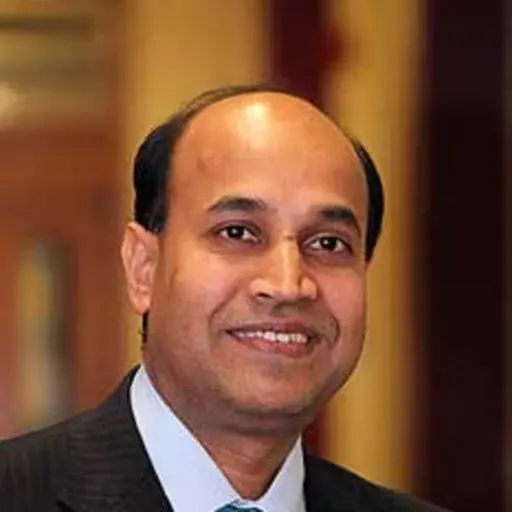
Professor Dr. Subhas Mukhopadhyay, FIEEE, FIEE, FIETE
School of Engineering, Macquarie University, NSW 2109
Subhas holds a B.E.E. (gold medalist), M.E.E., Ph.D. (India) and Doctor of Engineering (Japan). He has over 35+ years of teaching, industrial and research experience. Currently he is working as a Professor of Mechanical/Electronics Engineering, Macquarie University, Australia and is the Discipline Leader of the Mechatronics Engineering Degree Programme. His fields of interest include Smart Sensors and sensing technology, instrumentation techniques, wireless sensors and network (WSN), Internet of Things (IoT), Robotics, Mechatronics and Drones etc. He has supervised over 60 postgraduate students and over 200 Honours students. He has examined over 80 postgraduate theses.
He has been co-inventor of 14 patents and published over 500 papers in different international journals and conference proceedings, written ten books and sixty two book chapters and edited twenty conference proceedings. He has also edited fifty books and forty five journal special issues. He has organized over 25 international conferences as either General Chairs/co-chairs or Technical Programme Chair. He has delivered 470 presentations including keynote, invited, tutorial and special lectures. As per Scholargoogle, his total citation is 30965 and h-index is 89.
He is a Fellow of IEEE (USA), a Fellow of IET (UK), a Fellow of IETE (India). He was a Topical Editor of IEEE Sensors Journal from 2013 to 2025 and an Associate Editor for IEEE Transactions on Instrumentation and Measurements from 2007 to 2025. He is an associate editor of IEEE Transactions on Reviews in Biomedical Engineering (RBME). He is the EiC of the International Journal on Smart Sensing and Intelligent Systems. He was a Distinguished Lecturer of the IEEE Sensors Council from 2017 to 2022. He chairs the IEEE Instrumentation and Measurement Society NSW chapter.
More details can be available at
https://scholar.google.com.au/citations?user=8p-BvWIAAAAJ&hl=en
https://orcid.org/0000-0002-8600-5907
http://web.science.mq.edu.au/directory/listing/person.htm?id=smukhopa.
Assoc. Prof. Mohammad Kamrul Hasan
Associate Professor and Head of the Network and Communication Technology Research Lab at the Center for Cybersecurity
Universiti Kebangsaan, Australia
Manjrasoft Pvt Ltd, Melbourne, Australia
Associate Professor Ts. Dr. Mohammad Kamrul Hasan is an Associate Professor at the Center for Cyber Security, Faculty of Information Science and Technology, Universiti Kebangsaan Malaysia
(UKM). He also leads the Network and Communication Technology Research Lab, where he heads interdisciplinary research addressing cybersecurity challenges in critical infrastructure, industrial systems, healthcare, energy networks, and connected digital environments.
He received his Ph.D. in Electrical and Communication Engineering from the International Islamic University Malaysia in 2016, following
an M.Sc. in Communication Engineering from the same university in 2012. Before entering doctoral study, he accumulated approximately ten years of industry experience in computer networks and security, communication systems and networks, and wide-area network design and planning, including work related to PLC, PMU, SCADA, and
Wide Area Measurement Systems.
His research interests include information-centric networking, computer networks, data communication and security, mobile-network
privacy protection, cyber-physical systems, Industrial Internet of Things (IIoT), transparent artificial intelligence, smart-grid communications, electric-vehicle networks, federated learning, and 5G/6G network resilience. His current research particularly examines how
cybersecurity and AI can strengthen the trustworthiness, privacy, and
resilience of interconnected systems.
Dr. Hasan is a Senior Member of the Institute of Electrical and Electronics Engineers (IEEE),
a member of the Institution of Engineering and Technology (IET), a member of the Internet Society, and a certified Professional Technologist in Malaysia. He has contributed to the academic community through research supervision, editorial and peer-review service, research collaboration, and industry consultation. His scholarly record includes more than 250 indexed journal and conference publications, as well as supervision of doctoral and master’s students and postdoctoral
researchers.
His research contributions have been recognised through awards including a gold medal for re-
search work, a Young Scientist Award, and a Fulbright scholarship supported by the Ministry
of Higher Education Malaysia. He has also been recognised in the Stanford University and El-
sevier Top 2% Scientists listings for multiple consecutive years. Through his research leadership and international collaborations, Dr. Hasan continues to advance secure, intelligent, and resilient communication technologies for next-generation digital infrastructure.
For further information, please visit:
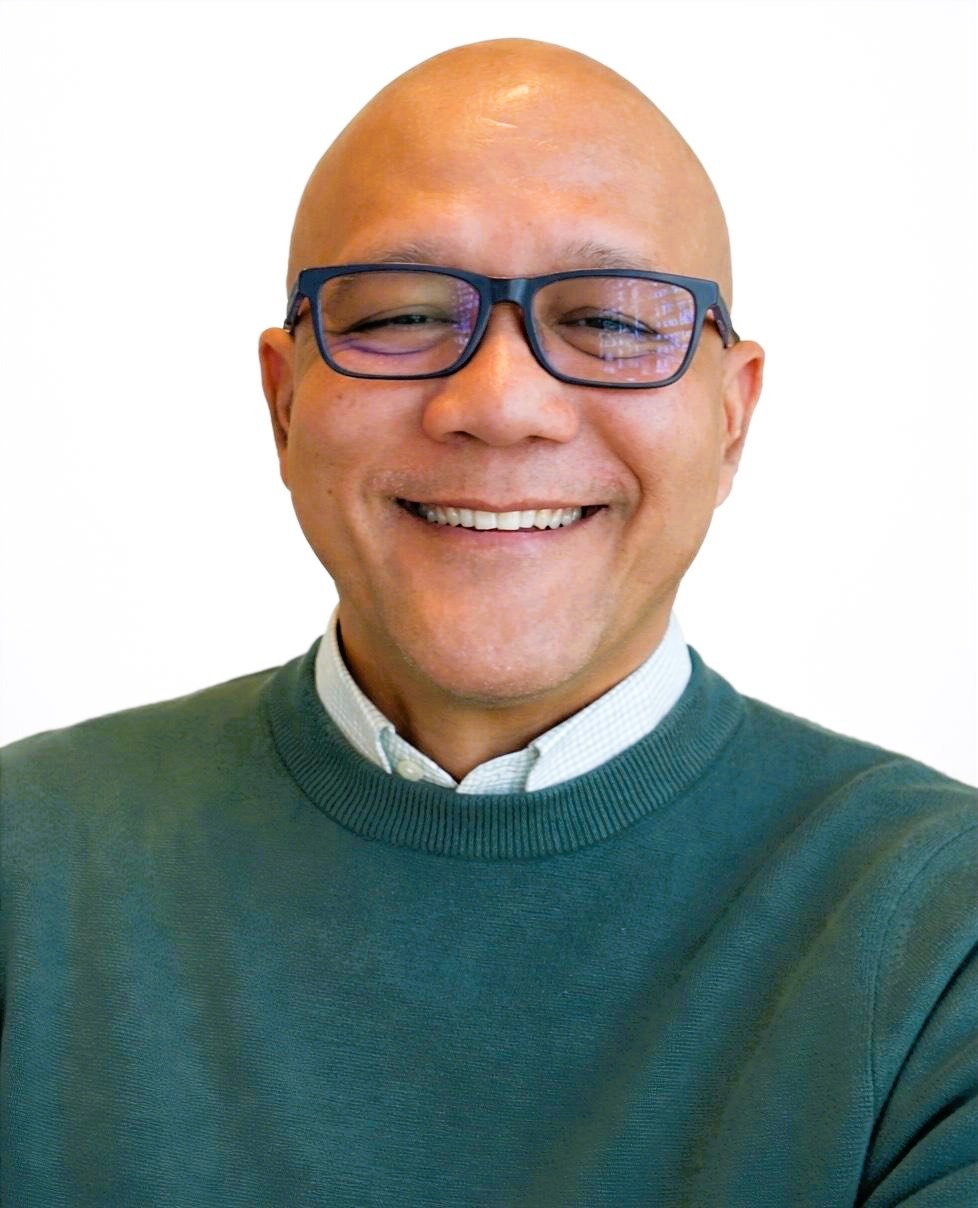
Prof. T M Indra Mahlia
Professor of Civil and Environmental Engineering
University of Technology Sydney, Australia
Professor T M Indra Mahlia is an Australian engineer and a Highly Cited Researcher in the field of Engineering. Currently serving as a Distinguished Professor at the School of Civil and Environmental Engineering, University of Technology Sydney (UTS). He is a key core member of the University’s prestigious Centre for Water and Wastewater Technology (CTWW).
Professor Mahlia’s research interests span a wide range of areas, including Techno-Economic Analysis, Life-Cycle Assessment, Life-Cycle Cost, Cost-Benefit Analysis, Water-Energy Nexus, and Energy & Fuels.
His dedication to advancing knowledge in these domains has secured over $6 million in funding for numerous projects supported by government and industrial organisations.
Recognised for his exceptional scholarly achievements, Professor Mahlia has consistently been named a Highly Cited Researcher in Engineering by Clarivate Analytics from 2017 to 2022.Furthermore, The Australian acknowledged his leadership in Sustainable Energy (Engineering & Computer Science) in a special report published in 2019 and 2025.
Since assuming his role as a Distinguished Professor at UTS in 2018, Professor Mahlia has exhibited a keen interest in mentoring early-career researchers. His guidance and support have been instrumental in fostering the success of his students and fellows. With his research accomplishments and dedication to nurturing the next generation of scholars, Professor T M Indra Mahlia continues to inspire and shape the field of Engineering, leaving an indelible impact on sustainable energy and environmental engineering
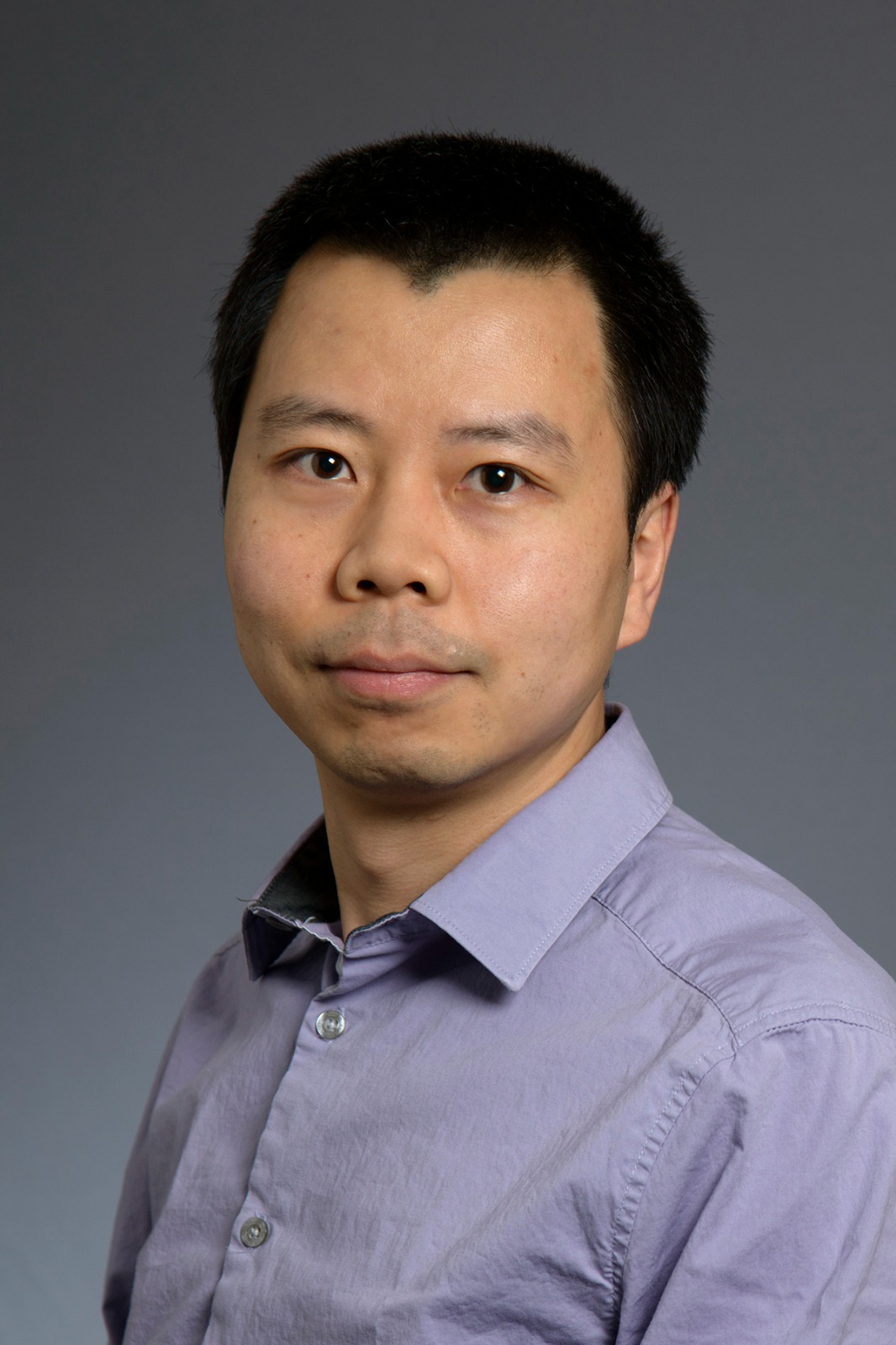
Prof. Yong Xiao
Huazhong-Scholar Distinguished Professor
Associate Group Leader, IMT-2030 (6G) Network Intelligence Group
Vice Director, 5G Verticals Innovation Laboratory
Huazhong University of Science and Technology, China
Yong Xiao is a Huazhong-Scholar Distinguished Professor in the School of Electronic Information and Communications at the Huazhong University of Science and Technology (HUST), Wuhan, China. He currently serves as the associate group leader of the network intelligence group for IMT-2030 (6G promoting group). He leads the first international standardization effort on semantic-aware networking at ITU-T. Previously, he was a Research Assistant Professor at the University of Arizona, where he also served as the center manager of the Broadband Wireless Access and Applications Center (BWAC), an NSF Industry/University Cooperative Research Center. Dr. Xiao has also held Postdoctoral Research Fellowships at Trinity College Dublin, MIT, and the University of Houston. His research focuses on agentic AI networking, semantic communications, semantic-aware networking, edge intelligence, network AI, and the Internet-of-Things (IoT).
Invited Speaker
Grafika Jati, S.Kom., M.Kom., PH.D
Alma Mater Studiorum
Università di Bologna
Italy
Grafika Jati is a researcher in intelligent mobility, computer vision,
robotics, machine learning, and secure connected autonomous vehicles. He is pursuing doctoral research in Automotive Engineering for
Intelligent Mobility at the University of Bologna, Italy, in collaboration with FEV Italy. His work is associated with the Green Mobility
Research Lab, a joint University of Bologna–FEV Italy initiative focused on the development of intelligent-mobility technologies.
He received his Bachelor’s degree in Computer Science from Universitas Indonesia in 2014 and his Master’s degree in Computer Science from Universitas Indonesia in 2016. His academic background in computer science, together with his research activities in intelligent systems and robotics, has supported his multidisciplinary work at the intersection of artificial intelligence, autonomous systems, and
automotive engineering.
His doctoral research focuses on the use of machine learning to support Advanced Driver Assistance Systems (ADAS) and autonomous
driving. His research interests include computer vision, robotics, machine learning, sensor-based perception, intelligent transportation systems, edge computing, and the security and robustness of connected autonomous vehicles. In particular, his work addresses challenges in developing dependable vehicle intelligence for complex and data-intensive mobility environments.
Grafika has contributed to research in artificial intelligence and robotics through publications
and collaborative activities involving autonomous systems, intelligent unmanned aerial vehicles,
perception technologies, and data-driven decision-making. He is affiliated with the Intelligent Robots and Systems Laboratory at the Faculty of Computer Science, Universitas Indonesia, whose research encompasses intelligent robotics, multimodal sensing, data representation, analytics, dynamic robotic systems, and embedded AI.
His current work reflects the growing convergence of automotive engineering, edge intelligence, cy-
ber security, and artificial intelligence. By combining machine-learning methods with connected vehicle and mobility-system perspectives, he contributes to research toward safer, more adaptive, and more secure intelligent transportation technologies.
For further information, please visit: